
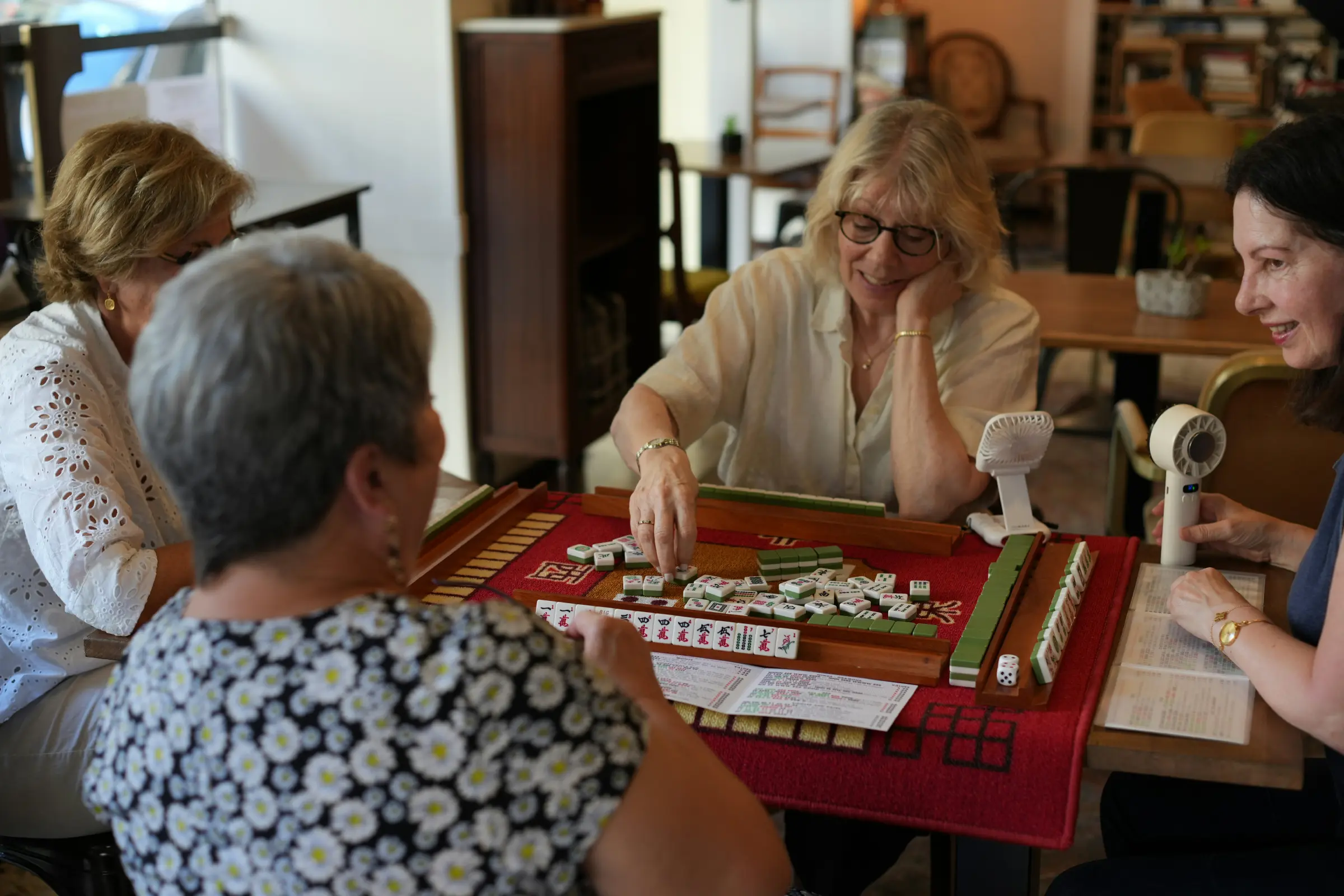
Social Connection is Vital for a Longer, Healthier Life
A good diet, regular exercise, and avoiding unhealthy habits like smoking or drinking; we have known for a while that these are a few of the keys to a long and healthy life. Now, researchers in the science of longevity have added one more critical factor to that list: meaningful social connections.
Studies have found that those with stronger, long-term social connections aged at a biologically slower pace. They had fewer health markers commonly associated with diabetes, heart disease, and mental decline. This effect was more obvious when the connections were held over many years.
"Think of social connections like a retirement account," says Dr. Anthony Ong, a psychologist and professor at Cornell. “The earlier you start investing and the more consistently you contribute, the greater your returns…those returns aren't just emotional; they're biological. People with richer, more sustained social connections literally age more slowly at the cellular level.
“Aging well means both staying healthy and staying connected — they're inseparable.”
A robust social life can improve your brain health. A 2021 study by Society & Ageing found that out of 66,000 people, those who were most socially connected had the best mental cognition.
Social interactions engage the brain in a unique way. Dr. Andrew Budson, a Boston-based neurologist, explained that social activities cause us to use our brains — all of our brains. All of our senses, including vision, hearing, and smell, are engaged during social activities. Putting the brain to work like that strengthens the connections between brain cells and creates new ones, too.
Social activity tends to be even more beneficial than other forms of independent mental exercise for seniors, including things like crossword puzzles.
Social connection also delays dementia risk and reduces incidences of depression and anxiety, which are increasingly common among seniors. These social connections can also offer seniors a sense of purpose and self-worth, increasing happiness.
The American Centers for Disease Control also points out several physical health benefits. It can reduce the risk of chronic disease and serious illness, including heart disease and stroke. There is even evidence that it can help improve immune function, reduce stress, and improve mobility, all of which are important not just for longevity but for improving our quality of life as we age.
If your loved one moves to a more social setting, they’ll have better opportunities for close and meaningful connections.
At Sorrento, we create those opportunities. Check out our monthly newsletter for our calendar of events, and if you or your loved one is interested in visiting, contact us.
September 30, 2026
Read more